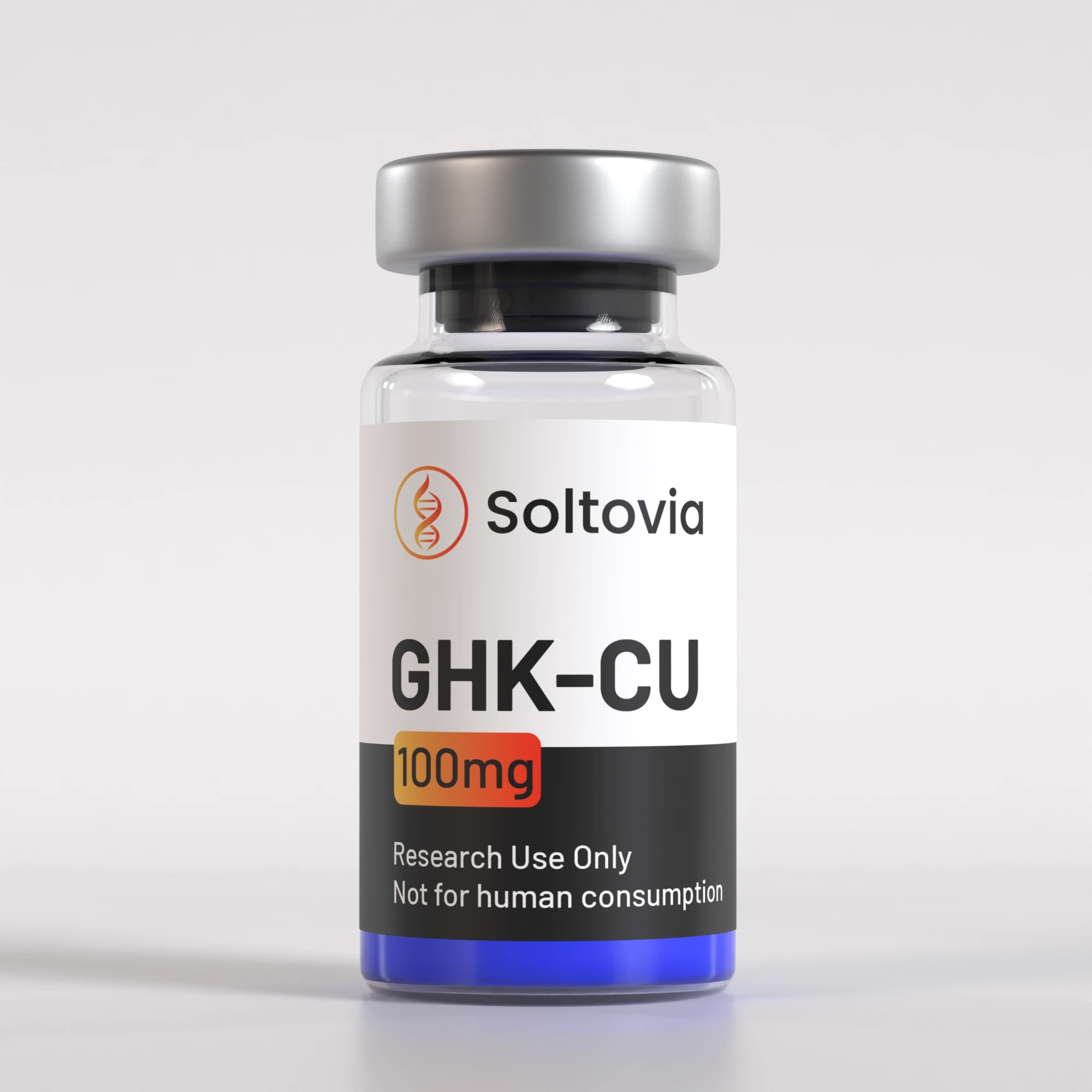
GHK-CU 100MG
GHK-Cu 100MG is a copper-binding tripeptide research compound supplied exclusively for controlled laboratory and analytical investigations involving molecular characterization, copper-peptide interactions, cellular signaling pathways, extracellular matrix-associated processes, and experimental biochemical research.
$45.00
Satisfaction Guaranteed
Secure
Payment
Third-party
Tested
Research Use Disclaimer
Research Use Only: All products offered are intended strictly for laboratory research purposes. Products are not for human consumption and are not intended for diagnostic, therapeutic, or medical use. By purchasing from our website, customers confirm they are qualified researchers or laboratories and understand the intended research-use designation.
GHK-CU 100MG
GHK-Cu 100MG is a copper-binding tripeptide research compound supplied exclusively for controlled laboratory and analytical investigations involving molecular characterization, copper-peptide interactions, cellular signaling pathways, extracellular matrix-associated processes, and experimental biochemical research.
Research Context
GHK-Cu, also known as Copper Tripeptide-1, is a copper-associated peptide complex composed of the amino acids Glycine, Histidine, and Lysine. It is studied in laboratory research involving copper coordination chemistry, extracellular matrix-associated molecular pathways, collagen-related cellular processes, and peptide-mediated biochemical signaling. Its molecular characteristics support controlled investigations of metal-peptide interactions, cellular communication mechanisms, and experimental tissue-biology models.
Laboratory Research Information
Laboratory studies may examine molecular identification, copper-binding characteristics, peptide stability, extracellular matrix-associated signaling pathways, and experimental assay behavior. Research may also involve analytical characterization, copper-peptide coordination, collagen-associated molecular mechanisms, cellular regulatory processes, and compound-specific biochemical interactions under controlled conditions. Observations should be interpreted within the design and limitations of the relevant experimental study.
Product Specifications
| Specification | Details |
|---|---|
| Product Name | GHK-CU 100MG |
| Brand | Soltovia |
| Alternative Name | Copper Tripeptide-1 / GHK Copper Complex |
| Compound Type | Copper-binding tripeptide research compound |
| Research Profile | Copper-peptide interactions, extracellular matrix biology, and cellular signaling research |
| Peptide Sequence | Gly-His-Lys (GHK) |
| Amino Acid Count | 3 |
| Metal Component | Copper (Cu) |
| Molecular Weight | Dependent on verified copper complex and salt form |
| Molecular Formula | Dependent on verified chemical form |
| CAS Number | Refer to verified compound specifications |
| Research Classification | Copper-associated tripeptide complex |
| Research Pathways | Copper coordination, cellular signaling, and extracellular matrix-associated molecular processes |
| Available Size | 100MG |
| Purity | Refer to batch-specific COA |
| Testing Method | Refer to batch-specific COA |
| Laboratory | Refer to batch-specific COA |
For laboratory research use only. Not for human or veterinary use. This material does not provide medical or consumer-use guidance.

Research COntent
Molecular Structure & Chelation Properties
GHK-Cu (Glycyl-L-Histidyl-L-Lysine Copper) is an endogenous copper(II)-chelating tripeptide identified in human plasma that declines naturally with biological aging.
Primary Mechanisms of Action
- Fibroblast & ECM Stimulation: Stimulates messenger RNA synthesis for collagen (Types I, III, IV), elastin, and proteoglycans within dermal and stromal fibroblasts.
- MMP & TIMP Equilibrium: Regulates the balance between matrix metalloproteinases (MMPs) and tissue inhibitors of metalloproteinases (TIMPs) to facilitate scarless remodeling.
- Gene Transcription Reset: Studies demonstrate GHK’s ability to modulate gene expression toward a more youthful, regenerative state across thousands of human genes.
- Anti-Oxidative & Anti-Inflammatory: Quenches lipid peroxidation products and downregulates inflammatory cytokine cascades.
Key Published Preclinical Findings
- Accelerates dermal wound contraction, nerve regeneration, and angiogenesis in in-vitro and animal injury models.
- Demonstrated protective antioxidant defense mechanisms in cellular models subjected to heavy oxidative challenge.
• Oxidative Medicine and Cellular Longevity: “Regenerative and Protective Actions of the GHK-Cu Peptide in the Light of the New Gene Data.”
• International Journal of Molecular Sciences: “GHK-Cu as a human copper-binding tripeptide in wound healing and tissue remodeling.”
Related Peptides
Related products
-
CJC/IPA (WITHOUT DAC) 5MG + 5MG
$65.00 -
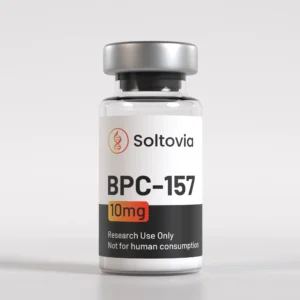
BPC-157-10MG
$40.00 -
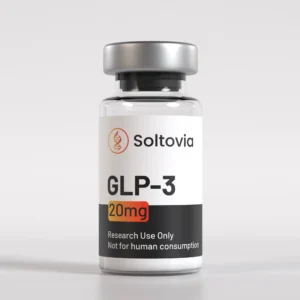
GLP-3
$65.00 – $110.00Price range: $65.00 through $110.00Earn up to 55 points. This product has multiple variants. The options may be chosen on the product page -
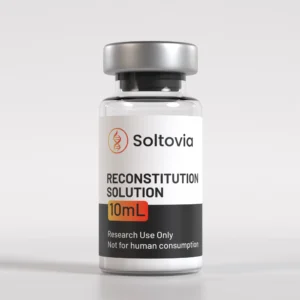
LABORATORY DILUENT
$12.00Earn up to 6 points. This product has multiple variants. The options may be chosen on the product page